Understanding the Role of a Commercial General Contractor in Achieving Superior Building Outcomes
A commercial general contractor is vital in the construction industry. They guarantee that projects are completed on time and within budget. Their role involves handling complex schedules and organizing numerous stakeholders. This integration is critical for preserving standards of quality and safety. Understanding their responsibilities clarifies their influence over building achievements. What specific strategies do they employ to manage hurdles and provide successful deliveries?
The Importance of a Commercial General Contractor
Although some may misjudge their importance, a commercial general contractor is vital for achieving positive project outcomes. Functioning as the central point of contact, these professionals ensure the smooth integration of all construction elements. Their expertise encompasses not only project management but also effective communication between stakeholders, including clients, subcontractors, and suppliers. By managing budgets, timelines, and resource distribution, they lessen dangers and improve operational efficiency.
Additionally, commercial general contractors navigate complex regulatory environments, guaranteeing compliance with local building codes and safety standards. Their experience in problem-solving and conflict resolution is invaluable, particularly when unforeseen difficulties occur during the build. Ultimately, a skilled commercial general contractor cultivates partnerships, heightens productivity, and supports the project's quality. Their pivotal role lays the groundwork for successful outcomes, making them integral to any building endeavor, regardless of scope or difficulty.
Key Responsibilities of a Commercial General Contractor
While supervising a construction effort, a commercial general contractor handles a wide array of important functions that are vital for project achievement. First and foremost, they manage project schedules, making certain schedules are followed and that the project progresses as planned. They also control the budget, regulating spending and making sure funds are distributed effectively.
In addition, the contractor takes charge of hiring and coordinating subcontractors, choosing skilled experts for specialized tasks such as plumbing and electrical work. They guarantee compliance with local building codes and safety regulations, minimizing potential issues associated with site work.
Additionally, a commercial general contractor is tasked with obtaining required permits and licenses to facilitate the construction process. Regular site visits are carried out by the contractor to oversee standards and development, resolving problems that arise immediately. Ultimately, their role is to guarantee that the outcome satisfies requirements, meets the deadline, and stays within the financial limits.
Coordination and Communication in Construction Projects
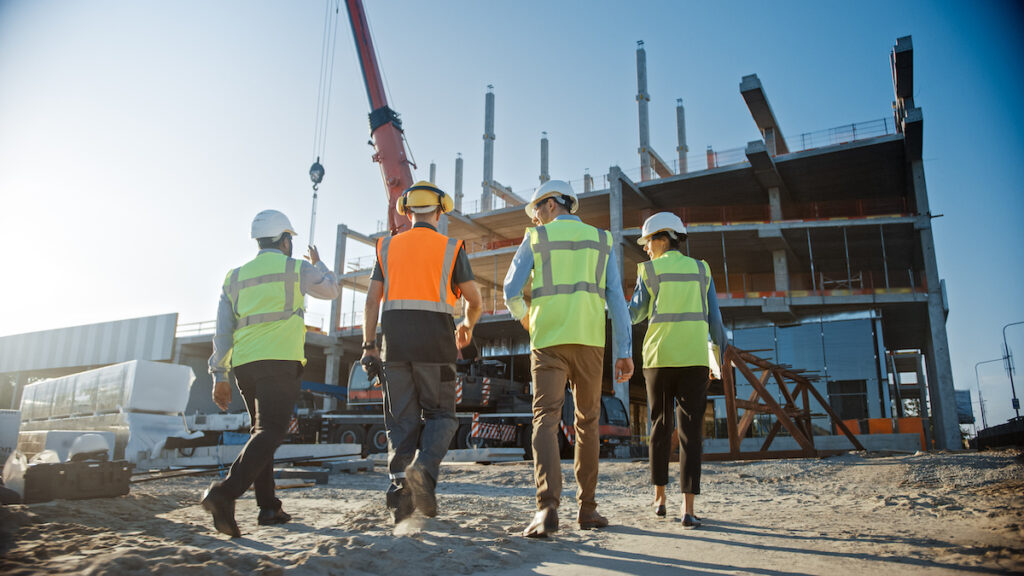
Successful coordination and communication are vital components in the favorable outcome of construction endeavors, as they ensure all parties are in agreement with the project's aims and deadlines. A commercial general contractor is instrumental in aiding this coordination by setting up defined communication channels among subcontractors, suppliers, clients, and architects. They guarantee that current data regarding potential issues, modifications, and progress updates are communicated efficiently and quickly.
Routine meetings and progress reports are essential to this management effort, enabling conflicts to be resolved quickly and the modification of timelines when required. The ability of the contractor to encourage cooperation among diverse teams see the facts boosts the project's overall effectiveness and minimizes misunderstandings. In addition, the use of project management tools and technologies can streamline communication, guaranteeing everyone can view to the most current information. In the end, good coordination and clear communication result in better project results and stakeholder satisfaction in the construction industry.
Financial Oversight and Budget Control
Managing finances and budgets is crucial to the successful execution of construction projects, making certain resources are used effectively and spending is contained. The general contractor is instrumental in this process by developing detailed budgets based on client expectations and the project's scope. The contractor tracks spending throughout the entire project, noting discrepancies and performing needed modifications to avoid overruns.
The general contractor partners with suppliers and sub-trades to negotiate contracts, securing cost-effective rates while preserving high quality. Frequent financial updates and forecasts permit stakeholders to remain current and make informed decisions quickly. Through the use of strict financial oversight, the contractor reduces potential issues associated with unanticipated expenditures, keeping the project financially sound. Crucially, sound financial control and budget administration boost the likelihood of project success but also cultivate a reliable relationship with the client, paving the way for successful project completion.
Maintaining High Safety and Quality Levels
Rigorous adherence to safety and quality requirements is essential in the construction industry, where the stakes are high and the margins for error are slim. General contractors in the commercial sector are key players in implementing rigorous safety protocols and standards of quality during every phase of the project. It is their duty to follow best practices, local regulations, and building codes, which helps mitigate risks and enhance overall project integrity.
In order to meet these goals, contractors often carry out routine site checks, check that safety procedures are followed, and supply regular workforce instruction. They also engage qualified subcontractors and suppliers who share a commitment to quality, guaranteeing that labor and supplies adhere to set standards. Through cultivating a focus on safety and quality, commercial general contractors safeguard their employees but also enhance the durability and longevity of the structures they build, which yields positive project results and client satisfaction.
FAQs
Which Credentials Should I Seek in a General Contractor?
In choosing a general contractor, one should consider their project history, credentials, insurance, references, and experience - Hickory top rated Commercial General Contractor. Additionally, effective communication skills and a history of successfully handling schedules and costs are essential for successful project delivery
What is the Best Way to Choose the Right Contractor for My Project?
When picking a suitable contractor, one should evaluate their experience, verify past clients, review past projects, confirm licenses and insurance, and guarantee clear communication. An in-depth interviewing procedure can help determine compatibility with project goals.
What Are Common Challenges Faced by Commercial General Contractors?
Commercial builders commonly encounter difficulties including regulatory hurdles, labor scarcity, budget pressures, scheduling problems, and subcontractor management. These issues can impact project timelines, costs, and overall quality if not effectively addressed throughout the process.
How Do Builders Deal With Surprises During the Construction Phase?
When faced with unforeseen problems, contractors typically respond by determining the situation fast, formulating alternative solutions, and communicating with stakeholders. Hickory top rated Commercial General Contractor. The staff often depend on teamwork and their experience to execute solutions, making sure there is minimal disruption to the project's schedule and cost
What Is the Standard Timeline for a Commercial Building Project?
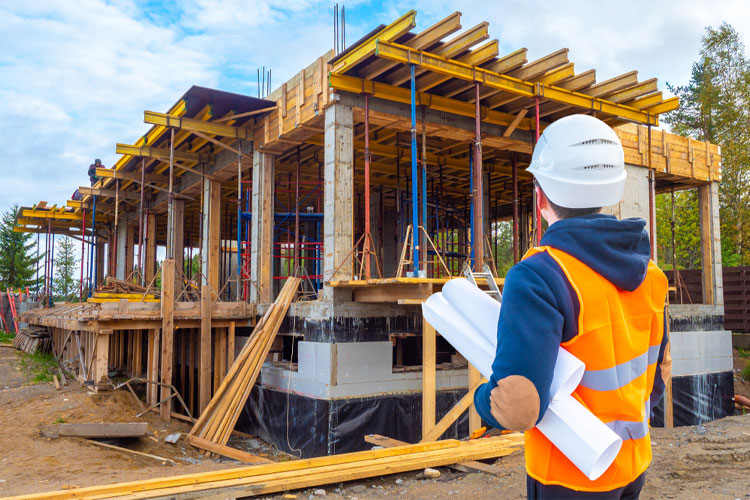
The typical timeline for a business construction job spans multiple months to a couple of years, based on factors such as the scope of the project, its complexity, the permitting process, and the labor and material availability.